
Concrete Restoration & Repairs: What You Need to Know

When it comes to concrete, not all issues are created equal. Some are merely surface-level eyesores, while others signal serious structural concerns. Recognizing the difference is key to ensuring safety and longevity. Here's a quick guide on what to look for and the repair techniques used to restore your concrete.
What to Look For (The Symptoms):
Hairline Cracks: Tiny, cosmetic cracks caused by shrinkage or minor settling.
Wide or Deep Cracks: Cracks wider than a quarter inch often point to structural movement or soil erosion beneath.
Scaling/Spalling: Flaking or peeling surface layers, common in freeze-thaw cycles or poor finishing.
Settling or Heaving: Uneven slabs that create trip hazards and indicate underlying issues.
Hollow Sounds: When tapped, a "drummy" sound suggests delamination between the surface and the base.
Common Repair Methods:
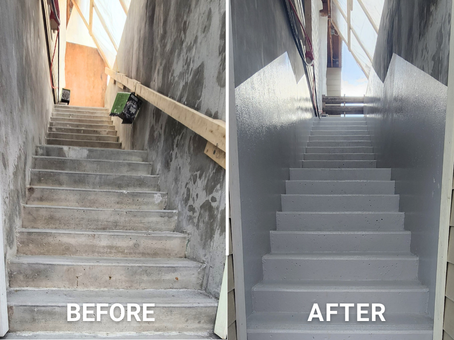
Concrete Resurfacing: Ideal for small cracks or cosmetic damage, this involves applying a thin, high-strength overlay to restore appearance.
Epoxy or Polyurethane Injection: For structural cracks, these resins are injected under pressure—epoxy for bonding, polyurethane for leak stopping.
Slab Stitching: Heavy-duty cracks are stabilized by cutting grooves and inserting carbon fiber staples to prevent further widening.
Specialized Precast Repairs:
Broken Corners: Rebuilt using a mortar mix (4:1 ratio) to restore sharp edges.
Connection Repair: Mechanical fixings like brackets or chemical anchors restore joint integrity.
Chemical Anchors & Joint Doweling: Precise methods like epoxy bonding or saw-cut slots with reinforcing bars "stitch" the connections back together.
Grouting & Sealing: Sleeve grouting seals vertical joints like columns, while elastomeric sealants protect connections from water and salt-induced corrosion.
Critical Considerations:
Structural Assessment: Always have a qualified engineer evaluate load-bearing elements before repairs.
Misalignment: Shifts in precast units may require support braces or re-alignment through structural jacking.
Corrosion Protection: Use corrosion-resistant materials like stainless steel or galvanized hardware to prevent future damage.
Proper diagnosis and repair are essential to maintaining the safety and durability of concrete structures. When in doubt, consult a specialist to determine the best course of action.


Comments